Gear and styling
Part 5 of 7 of the free brand photoshoots guide from The Gallery on Montana. What to pack for a brand photoshoot, how to choose outfits that photograph well on wood, brick and gold frames, and when to keep hair and makeup on site.
Book a tour · 701 Montana St, San Antonio, TX 78203
Your photographer brings the camera and lights. Your job is everything that appears in the frame. Pack the night before so nothing is left behind, and lay it all out in one place so you can see it as a set.
What your photographer usually brings
It helps to know the kit so you can talk about the look you want. A typical brand photographer in 2026 shows up with something like this.
| Gear | Example models | Approximate price |
|---|---|---|
| Mirrorless camera | Sony A7 IV, Canon R6 Mark II | $2,000 to $2,500 |
| Portrait lens | 85mm f/1.8 | $500 to $650 |
| Everyday zoom | 24-70mm f/2.8 | $1,000 to $2,300 |
| Battery flash or LED | Godox AD200 Pro, Aputure Amaran 200x | $300 to $450 |
| Softbox and stands | 60 to 90cm octa softbox | $80 to $200 |
If you are doing it yourself on a budget, a recent phone, a $25 to $40 phone tripod, a small LED like an Ulanzi or Aputure MC at $40 to $90, and a $30 collapsible reflector will get you clean product and detail shots.
What to pack
- A portable steamer, a lint roller and safety pins.
- Every product cleaned, labels forward, with spares in case of scuffs.
- Clothes on hangers in a garment bag, not folded in a tote.
- Blotting papers, a brush and lip color for touch ups.
- A phone tripod for your own behind the scenes clips.
- Water and simple snacks for you and the crew.
- A printed shot list taped where everyone can see it.
Pack in three bags: one for wardrobe on hangers, one for products in labeled bins, and one small kit for touch ups, chargers and tape. Gaffer tape, about $10 a roll, is worth having for cords and quick fixes, and it peels off without leaving marks.
Outfits that photograph well
Wear what you would wear to meet your best client, slightly elevated. Bring 2 to 4 looks in solid colors or small patterns that suit your brand. Warm tones like rust, olive, navy, cream and mustard look great against wood, brick and gold frames. Skip tiny stripes, which flicker on video, and big logos unless they are yours.
- Look one: your most polished, for hero and headshots.
- Look two: relaxed and working, sleeves up, for behind the scenes.
- Optional look three: a pop of brand color for social.
- Shoes count in wide shots; bring a clean pair.
Props and set styling
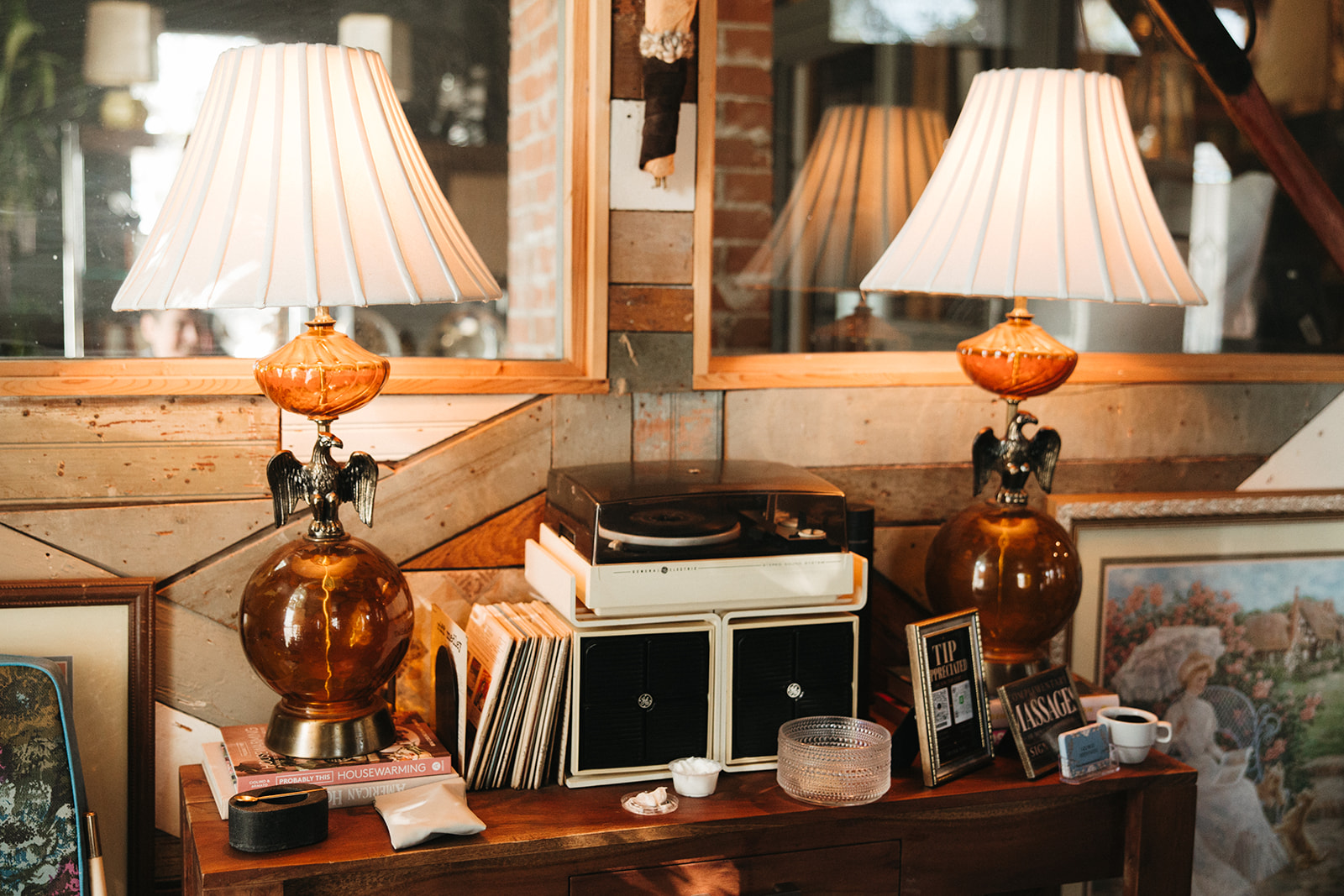
Props should support the story, not crowd it. Pick three or four textures in your palette and repeat them across sets so the grid looks consistent. Odd numbers group better than even ones, and a little height variation makes a shelf look styled rather than stocked.
Bring a few more props than you need and edit on set.
Tip: Style in threes. Group one tall, one medium and one low object. It is the fastest way to make a table or shelf look intentional on camera.
Hair and makeup
Camera makeup is a little stronger than everyday, with matte skin so lights do not bounce. In San Antonio heat, ask for setting spray and keep blotting papers close.
Book a trial if you rarely wear makeup or if the shoot includes paid ads; trials typically run $75 to $150. Bring a photo of the look you want, and tell the artist whether you will also film video, since video needs slightly softer coverage than stills. Moisturize the night before, skip new skincare that week, and arrive with clean, dry hair unless your stylist asks otherwise.
Tip: Keep hair and makeup for look two. Ask whether your artist stays for touch ups or leaves after the first look. For a 4 hour shoot with two outfits, having them stay is usually worth it.
The night before test
Lay every outfit out with the products you plan to hold and take a phone photo. If something clashes with your packaging or your brand colors, you will see it at home, not on set. Charge every battery, empty your phone storage, and check the weather.
Mixing colors in the room
If the location has strong colors of its own, match your outfit to one of them or go neutral. Fighting a busy background with a busy outfit is the most common styling miss. Selling in person too? The pop-up market guide covers displays that double as product shots.
Previous: The day of the shoot · Course overview · Next: Mistakes to avoid