Start with the promise
Part 1 of 7 of the free workshops and classes guide from The Gallery on Montana. Every good workshop starts with a one-line promise of what students leave with. Here is how to write it and let it decide your seat count, room and price.
Book a tour · 701 Montana St, San Antonio, TX 78203
People buy the outcome
People do not buy a workshop. They buy what they will walk out with: a finished piece, a new skill, a plan, a set of photos. Write that promise in one line before you pick a date or a room. Every later choice, from the seat count to the snack table, gets easier once the promise is on paper.
Good promises are concrete. "Leave with a hand-lettered sign for your home" sells better than "an intro to lettering." The clearer the outcome, the easier it is to price, promote and teach.
- Weak: "A relaxing evening of pottery." Strong: "Throw and glaze two mugs you will pick up in two weeks."
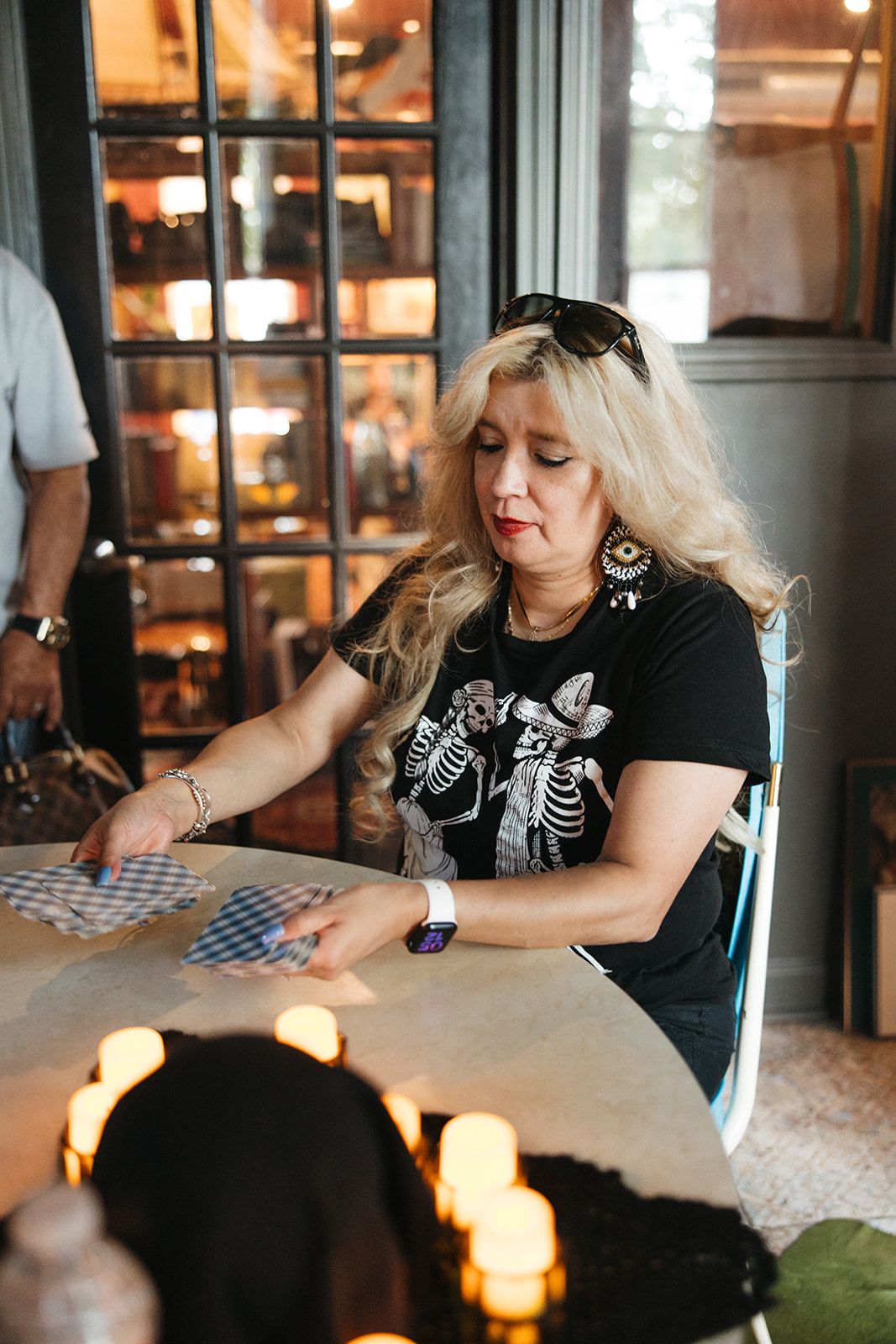
- Weak: "Learn about tarot." Strong: "Read a three card spread for yourself without a guidebook."
- Weak: "Social media basics." Strong: "Leave with a month of posts planned and five already written."
Pick who it is for
A class for everyone is a class for no one. Name the student: a total beginner, a hobbyist who wants the next step, or a small business owner who needs a skill this month. Beginners want reassurance and a finished piece. Intermediate students want technique and feedback. Business owners want a result they can use on Monday.
- Write one sentence: "This class is for people who..."
- List what they already know and what they do not.
- Decide what they need to bring, if anything.
- Pick an age floor. Many hands-on classes set 16 or 18 and up, or offer a separate family date.
Be honest about the level. A beginner who lands in an intermediate class feels lost, and an experienced student in a beginner class feels bored. Both leave quieter reviews than they would have. One clear line on the ticket page, such as "no experience needed" or "bring a piece you have started", sorts the room before anyone arrives.
Let the promise decide the rest
- Seat count: how much hands-on help each student needs. For crafts, 8 to 16 per instructor is typical.
- The room: how people will sit and work, around one table or in small groups.
- Length: enough time to actually finish the thing you promised.
- Price: what the finished piece or skill is worth to your crowd.
Choose a format
| Format | Typical length | Best for |
|---|---|---|
| Single session class | 2 to 3 hours | A finished piece or one clear skill |
| Half day intensive | 4 hours | Deeper technique, a bigger project |
| Series of 3 to 4 weeks | 90 minutes to 2 hours each | Skills that need practice between sessions |
| Private group class | 2 to 3 hours | Showers, team outings, birthdays |
For a first class, a single 2 to 3 hour session is the safest bet. It is easy to sell, easy to plan, and it tells you quickly whether people want more.
A series pays off once you have a following, because students commit to several dates up front. Private group classes are a strong second income: a shower, a birthday or a team outing books the whole room at once, so you skip the promotion work entirely.
Test it out loud
Say your promise to three people who might take the class. If they ask "so what do I get?" it is not concrete yet. If they ask "when is it?" you are ready to plan. You can also post a quick poll or a story asking who would come, but a direct conversation tells you more.
Write down what is included next to the promise: supplies, snacks and anything students take home. That short list becomes the heart of your ticket page, and it answers most questions before anyone has to ask.
Run a practice class
Before you sell seats, teach the class once to two or three friends, start to finish, with a timer running. You will find the step that takes twice as long as you thought, the supply you forgot and the instruction nobody understood. Fix those, and your paid class runs on time.
Tip: Time every step. Write the real minutes next to each step during the practice run. Most first-time teachers underestimate hands-on time by 25 to 50 percent.
Name it after the result
A title like "Make Your First Tarot Spread" tells people the outcome in the title itself, which does half the selling for you. Keep titles under about eight words, lead with a verb, and save the clever wordplay for the description.
- Lead with the verb: make, build, plan, paint, read.
- Name the thing they take home.
- Add the level if it matters: beginner, next step, advanced.
- Keep the date and place out of the title; they go on the ticket page.
The steps are the same whether you teach crafts, business skills or wellness. Next: pricing and costs, and how to make every date safe even when it is only half full.