The recording day
Part 5 of 7 of the free podcast and video shoots guide from The Gallery on Montana. A minute by minute 4 hour location recording session: load in, sound check, the episode, pickups, clips and thumbnails, then backups and handoff to the edit.
Book a tour · 701 Montana St, San Antonio, TX 78203
Why four hours
Four hours fits one long episode plus extras. Load in takes longer than people expect, and the clips at the end often get more views than the full episode, so protect that time.
Sample recording session (4 hour booking)
- 0:00: Load in. Pick the set and place cameras.
- 0:45: Audio check, light check, test recording.
- 1:15: Record the episode.
- 2:30: Intros, outros and pickups in the Studio Room.
- 3:00: Thumbnails and vertical clips by the murals.
- 3:30: Pack out.
Load in and setup
The first 45 minutes decide the day. Unload everything to one staging spot, then build the set in the order from Part 2: audio, cameras, lights. Ask the guest to arrive 30 minutes after crew, so they walk into a finished set instead of waiting through cable runs. A guest who watches a stressed setup brings that stress into the first ten minutes of the episode.
- Tape down every cable that crosses a walkway.
- Note the thermostat setting before you turn the AC off.
- Set the guest chair first and build every angle around it.
- Run power from separate outlets for lights and recorders where you can.
Sound and picture check
- Have each person count to ten and laugh once while you set gain.
- Record 30 seconds of room tone.
- Frame each angle and lock focus and exposure.
- Record a 2 minute test and play back audio and one camera.
- Clap once on camera for sync, then start the episode.
Use the gain check to coach the guest gently: show them where the mic should sit and ask them to keep it there. Then do one last look at every frame on a monitor. Check for a mic blocking a mouth, a lamp blowing out, a cable on the floor in the wide shot, and a clean line between each guest's head and the background.
During the episode
- Assign one person to keep time and decide what gets cut if the talk runs long.
- Jot timestamps of the best moments as you go.
- Pause and repeat a line if a siren or plane passes; it saves the edit.
- Give the guest a five minute warning before the wrap.
- Keep water within reach of every seat; long talks dry voices out.
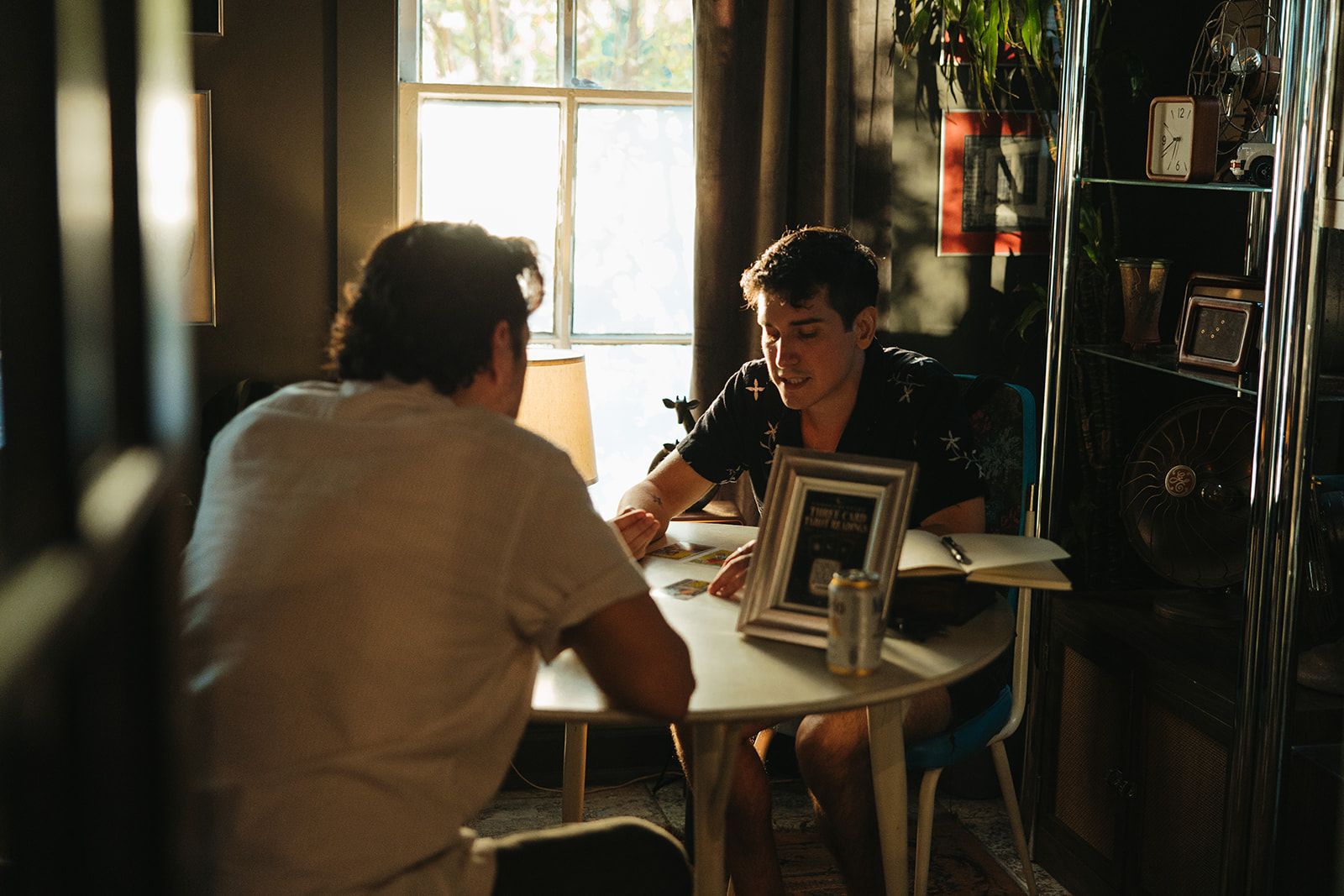
The timestamp list is the most valuable thing a producer makes all day. Write the recorder's running time and a few words for every strong moment, like 23:40 story about the first client. Your editor will start from that list instead of rewatching 90 minutes of footage.
Breaks and swaps
Take one short break at the midpoint of a long episode. Use it for the jobs you should never do while rolling: swap batteries, check cards, cool the room and refresh water. Restart with a fresh clap for sync.
- Change camera batteries every 60 to 90 minutes, before they warn.
- Glance at free card space and recorder battery on every break.
- Check the guest's mic position again after the break.
Pickups, clips and thumbnails
Save the last 45 to 60 minutes for extras. They often reach more people than the full episode. For vertical clips, reframe one camera to portrait or shoot fresh on a phone, and have the host and guest restate the best answer from the episode in 30 to 60 seconds. A clip recorded on purpose is tighter than one cut out of a long answer.
- Intros, outros and any lines you fumbled, recorded as pickups.
- Vertical clips framed 9:16 for Reels, Shorts and TikTok.
- Thumbnails shot as stills with clear faces and big expressions.
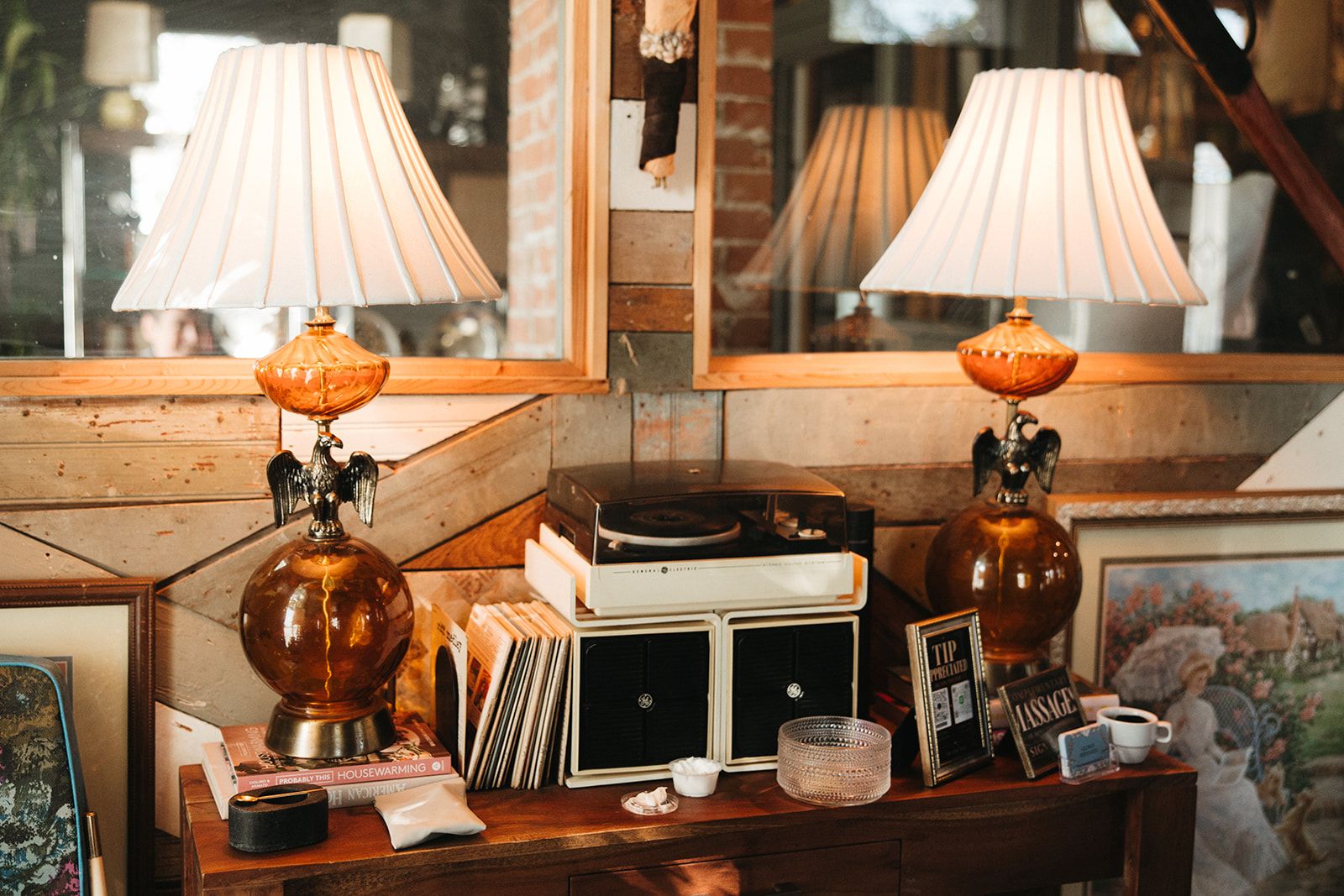
- A few seconds of b-roll of the room, lamps and props.
Tip: Shoot thumbnails as stills. Video frames are often soft. Take real photos with clear faces and big expressions before you pack.
Backups and file handling
Back up every card and audio file to two places before you sleep. Plan on roughly 45 to 70 GB per camera per hour in 4K 10-bit, and about half a gigabyte per audio track per hour at 48 kHz, 24-bit.
- Follow 3-2-1: three copies, two kinds of storage, one off site or in the cloud.
- Name folders by date, episode and camera, like 2026-10-28_EP04_CamA.
- Never format a card until two copies are verified.
- Hand the editor your timestamp list with the files.
From one session to a week of content
From one 60 to 90 minute episode you can usually pull 5 to 10 vertical clips and a thumbnail set. Post the full episode first, then release clips over the next week to send people back to it. A list of five to ten strong moments cuts clip editing time roughly in half. Recording two episodes? Book five to six hours and change seating or rooms so the second does not look like a copy.
Previous: Planning the two weeks before · Course overview · Next: Mistakes to avoid