Mistakes to avoid
Part 6 of 7 of the free podcast and video shoots guide from The Gallery on Montana. The location podcast mistakes that ruin takes: rushed audio, AC hum, auto settings, mixed light, dead batteries, single backups and skipped clips, with the fix for each.
Book a tour · 701 Montana St, San Antonio, TX 78203
Mistakes that cost a reshoot
- Setting up cameras first and rushing audio.
- Leaving the AC or a ceiling fan on. The hum sits under every word.
- Forgetting room tone, so cuts sound like the room suddenly changed.
- Skipping the headphone playback of your test recording.
Each of these is silent until the edit, which is exactly why they hurt. Noise reduction tools can lower a steady hum, but they also make voices sound thin and watery, and they cannot remove a fan that speeds up or a fridge that clicks on mid sentence. The fix is the same for all four: follow the setup order and listen back on headphones before you roll.
Small noises that ruin takes
- Lav rustle: tape the cable to the inside of the shirt and add a loop for strain.
- Squeaky or swiveling chairs that move on every laugh: swap them out.
- Phones buzzing on the table: airplane mode for everyone, crew included.
- Ticking clocks, fridges and buzzing lights: find them on your silent listen.
- Guests tapping the table or the mic stand: keep stands off the table.
Auto settings that drift
Auto white balance and auto exposure re-adjust every time someone moves or a cloud passes. Your angles will not match, and the color will pulse during the episode.
- Turn off auto white balance, auto ISO and auto exposure on every camera.
- Match frame rate, shutter and color settings across all cameras.
- Use face tracking autofocus or lock focus at the seat distance.
- Check the camera's record limit and overheat behavior before the day.
Mistakes that cost the look
- Seating people against a bare wall. Put shelves or art several feet back.
- Mixing daylight, warm lamps and a cool LED, which makes skin look patchy.
- A mic or arm blocking the mouth in the main angle.
- Lamps in frame turned up so bright they blow out.
Look at the wide shot on a real screen before you roll, not just the camera's flip screen. Small problems like a plant growing out of a guest's head, a crooked frame on the wall or a water bottle label facing the lens are easy to fix in ten seconds now and impossible to fix later.
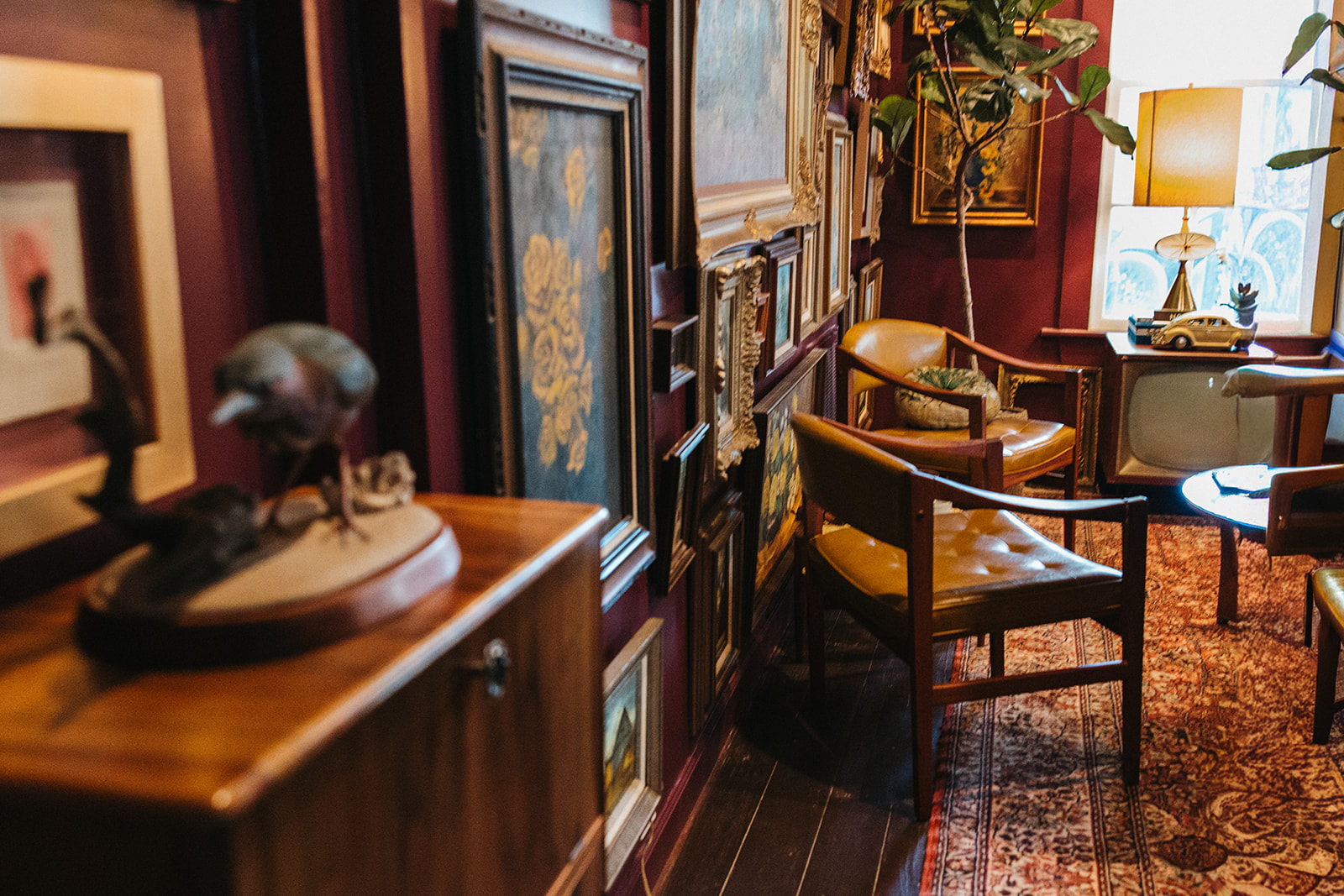
Watch the window light
Afternoon sun moves fast through tall windows. If a window is in frame, block it or keep takes short so the light does not change mid conversation. If you shoot by a window, record at the same time of day for every episode in a series so they match.
Tip: Watch the window light. Close the curtains and light with LEDs if the episode runs longer than an hour; daylight will not hold still that long.
Power and data mistakes
Swapping a battery mid sentence is the most common reason a great story disappears, so check power between segments, not during them. A dead card on the main camera is fixable only if your backup audio and second angle kept rolling.
- Recording everything to one card with no backup track.
- Formatting cards before the copies are verified.
- Unlabeled folders that leave the editor guessing.
- Running lights and recorders on one overloaded power strip.
Skipping the extras
Teams pack up the moment the episode ends and lose the most shareable part of the day. Plan 20 to 30 minutes for thumbnails and vertical clips, and treat it as part of the shoot, not a bonus. Write the clip list before the shoot, so the extras block has a plan instead of a vague idea to grab some stuff.
- No thumbnail stills, so the editor pulls a soft, blinking video frame.
- No vertical framing, so every clip is a cramped crop of the wide.
- No b-roll, so the edit has nothing to cut to during a long answer.
The one that costs money
Booking too tight. Running past your time is stressful and usually costs more than one extra hour would have. Build in a buffer at load in and at the end.
Most of these come down to rushing. Give the setup its full 45 minutes, play back the test and you will dodge nearly all of them. Going further with a class or live taping? See the workshop and class guide.
Previous: The recording day · Course overview · Next: How to do it at The Gallery